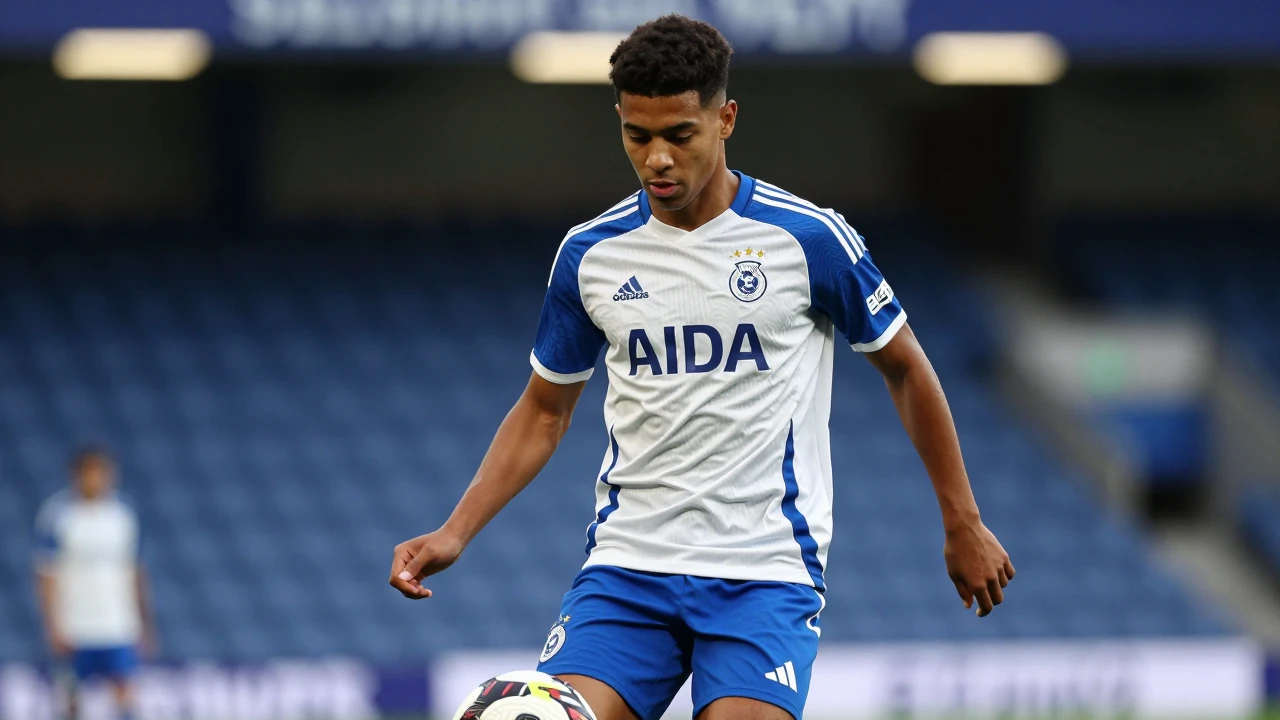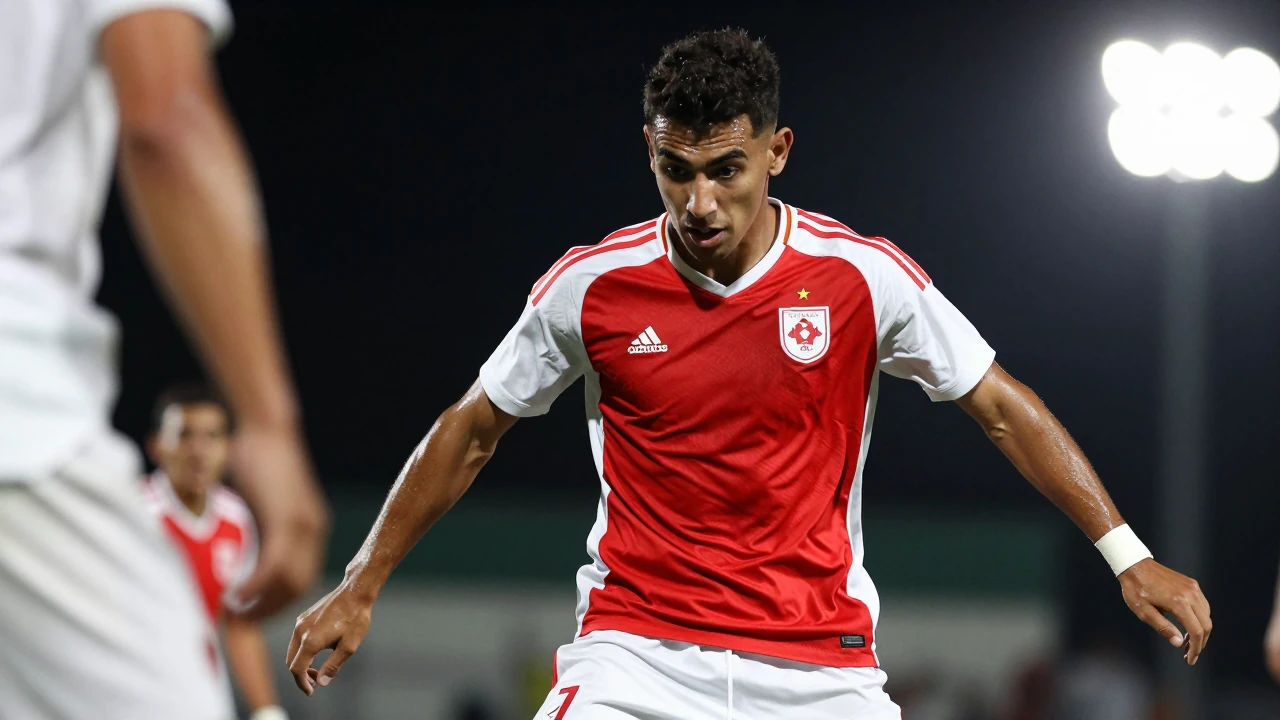

In recent weeks, Crystal Palace's form has been a mixed bag, showcasing both the attacking flair that the team possesses and the defensive frailties that occasionally hold them back. As the Eagles continue their campaign in the league, it becomes crucial to delve deeper into their tactical setup and suggest some adjustments that could enhance their performance on the pitch.
Current Tactical Setup Under the guidance of manager Oliver Glasner, Crystal Palace has often employed a formation that leans towards a 4-2-3-1 setup, aiming to balance defensive solidity with attacking creativity. This formation allows the Eagles to maintain a strong midfield presence while also providing width through the full-backs. However, recent matches have highlighted a tendency for the team to become too passive, particularly in midfield, leading to an inability to control games effectively.
Midfield Dynamics One area that could benefit from tweaking is the midfield configuration. While the pairing of Cheick Doucouré and Jeffrey Schlupp offers a solid foundation, there’s a case to be made for introducing more dynamism with a third midfielder, perhaps opting for a 4-3-3 formation. This change could allow Palace to press higher up the pitch, creating more turnovers in dangerous areas and enabling the forwards to exploit opposition mistakes. Additionally, an advanced role for players like Eberechi Eze or Michael Olise could facilitate quicker transitions from defense to attack, giving the Eagles a more aggressive edge.
Full-Back Involvement The full-backs, notably Tyrick Mitchell and Joel Ward, have been crucial in providing width. However, their involvement in the attacking phase has occasionally been limited, resulting in an over-reliance on the wingers. Encouraging them to overlap more frequently and join the attack could stretch opposition defenses further, creating space for central players to exploit. A more adventurous approach from the full-backs would not only add an extra layer to Palace’s attacking play but also help in maintaining pressure throughout the game.
Utilizing Pace and Physicality Another tactical adjustment could focus on utilizing the pace and physicality of key players like Odsonne Edouard and Mateta more effectively. In matches where Palace finds themselves struggling to break down a compact defense, a more direct approach could pay dividends. Implementing a strategy that encourages quick, vertical passes to exploit the speed of these forwards could lead to more goal-scoring opportunities, particularly against teams that sit deep.
Defensive Cohesion On the defensive side, while the backline has shown resilience, the spacing between the defenders has occasionally been exploited by opponents. To enhance defensive cohesion, it may be beneficial to work on a tighter defensive shape, especially when the team loses possession. A more organized pressing strategy can prevent opponents from gaining momentum and creating dangerous chances. This could involve the forwards and midfielders engaging more collectively, ensuring that the defensive line remains compact and difficult to penetrate.
Conclusion As Crystal Palace looks to navigate the busy schedule ahead, making these tactical adjustments could prove vital in securing consistent performances. By tweaking their midfield dynamics, encouraging full-back involvement, leveraging the pace of their attackers, and tightening up defensively, the Eagles can harness their potential and climb the league table. With the right approach, Crystal Palace can transform flashes of brilliance into a more sustained form, making them a formidable opponent for any team in the league.